THE SOUND
Roars and groans
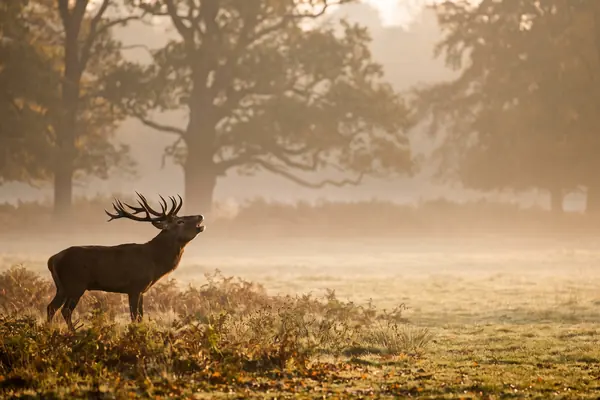
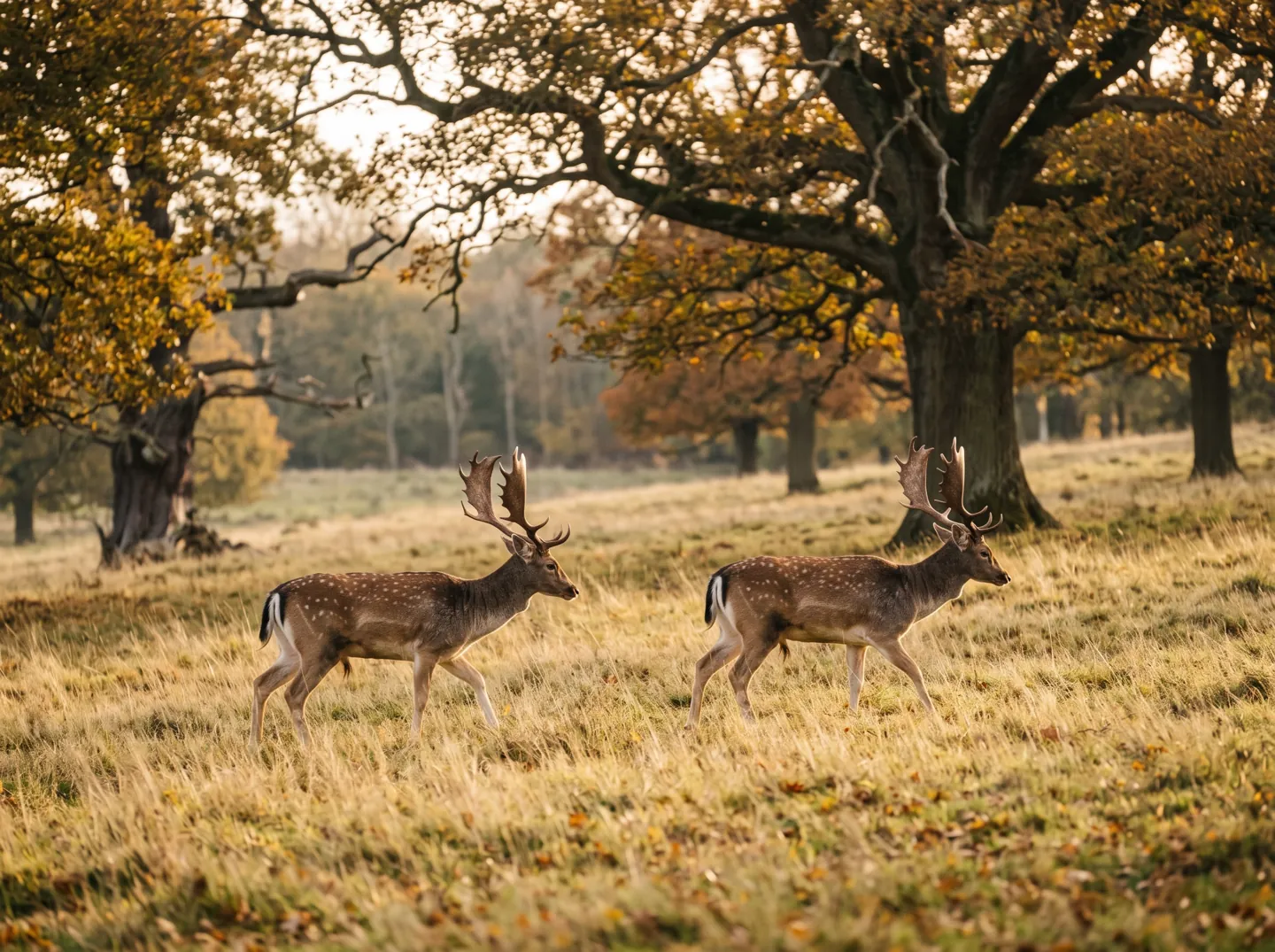
Red deer stags roar and grunt during the rut; fallow bucks groan loudly. The rut runs from the end of September to November for red deer.
See the stages doodlefights
WHAT HAPPENS IN THE RUT
Every autumn, Britain's parks and hillsides fill with the sound of deer competing to breed.
See the stages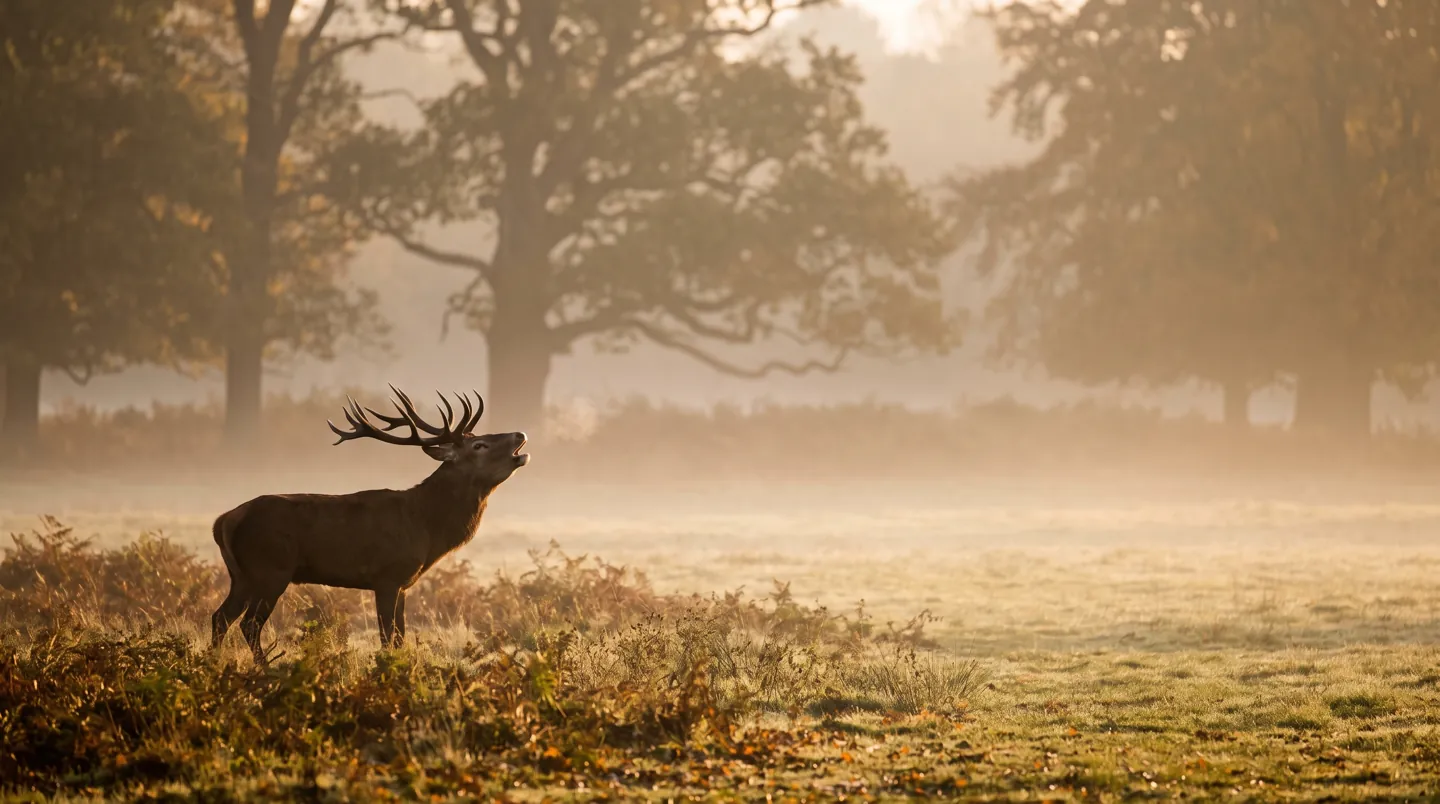
50 Mor more
The rut is when male deer contest for females. It looks like a brawl, but deer experts describe a ladder of displays, from roaring to walking side by side, that usually settles things before antlers ever touch. This independent guide explains what to look for, and how to watch without getting too close.
Updated
THE SHORT ANSWER
The British Deer Society describes behaviour that escalates step by step.
Most rivals are sorted out long before a real fight.
THE SOUND
Red deer stags roar and grunt during the rut; fallow bucks groan loudly. The rut runs from the end of September to November for red deer.
See the stagesSIZING UP
Rivals walk side by side, bellowing challenges. The British Deer Society says serious fights happen mainly between stags of similar size that cannot settle dominance any other way.
See the numbersWATCHING
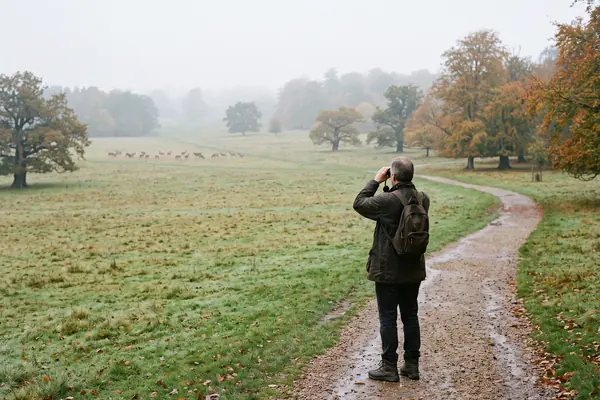
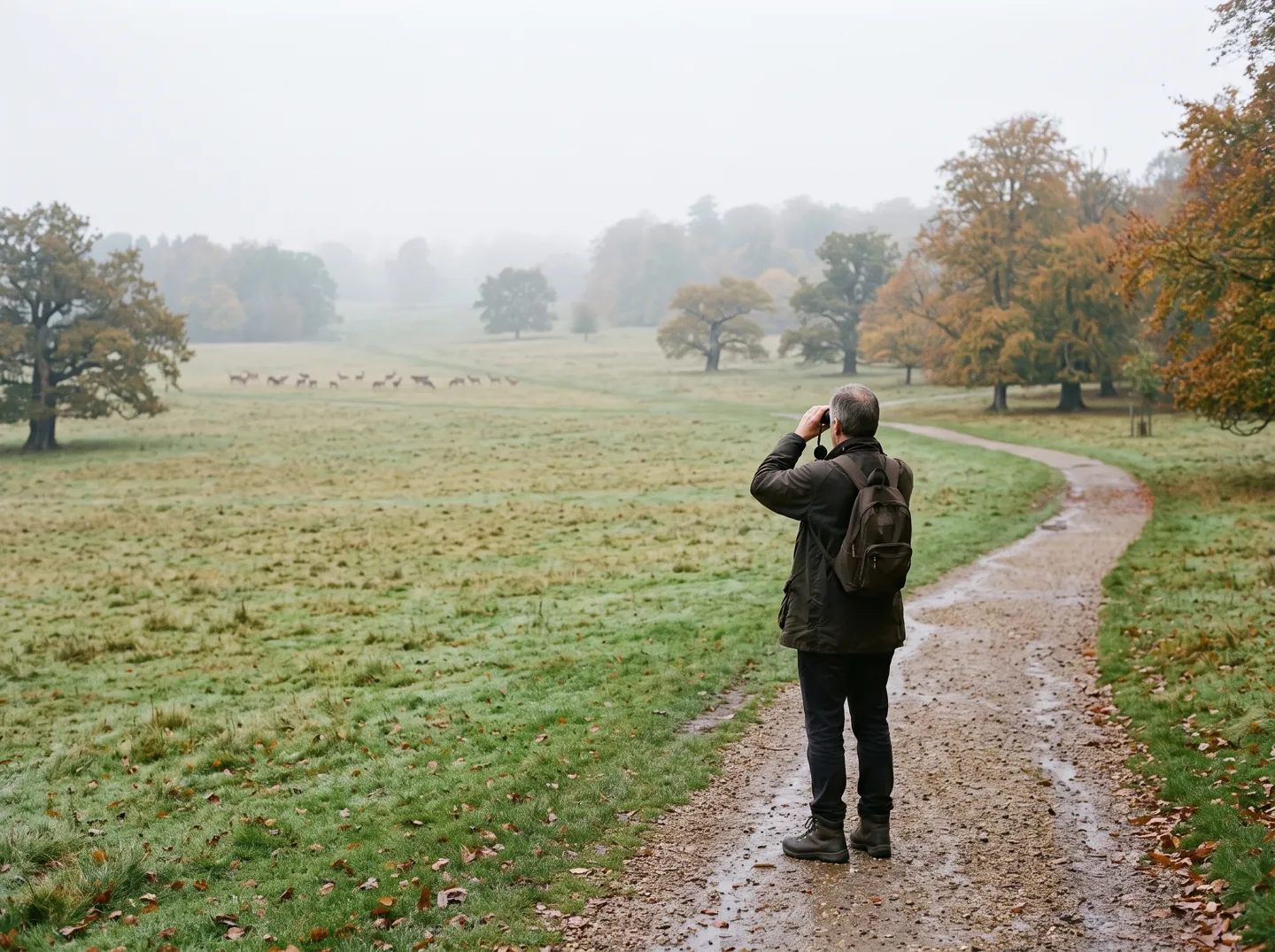
The Royal Parks asks visitors to keep at least 50 metres from deer, and up to 100 metres if they are active, and to bring binoculars for a closer look.
Safety tipsA QUICK RUT CHECK
Pick a behaviour you might see or hear in a deer park in autumn. The bar shows how far up the ladder of escalation it sits, from display to physical contest.
Based on descriptions of red and fallow deer from the British Deer Society and the National Trust. Individual animals and herds vary.
TWO NUMBERS WORTH KNOWING
One number from the Royal Parks' rules,
one on what a rutting stag can do.
50 m
Minimum distance from deer
Keep at least 50 metres away, and up to 100 metres if the deer are active. The more space the better during the rut; bring binoculars if you want a better view.
SAFE DISTANCE · THE ROYAL PARKS
30 mph
Top speed of a rutting stag
The Royal Parks says rutting stags can weigh over 25 stone and reach up to 30 miles per hour, which makes them dangerous if disturbed.
SPEED · THE ROYAL PARKS
The National Trust says stags build up weight in August and September, then may not eat for a month during the October rut as they put their energy into competing.
FOUR HABITS FOR WATCHING
These come from the Royal Parks' safety advice for Richmond Park and Bushy Park, and apply in any deer park.
Up to 100 metres if the deer are active. Use binoculars or a long lens instead of walking closer.
Loose dogs can approach and provoke deer. The National Trust suggests leaving your dog at home when watching the rut.
Do not intervene between rutting deer or join a crowd surrounding them; a crowd makes deer nervous.
If a deer approaches or seems threatening, back away slowly. Don't run, shout or wave your arms, as sudden movement can provoke it.
WHERE TO HEAR IT
The National Trust lists places such as Petworth in West Sussex, home to between 700 and 800 deer and a herd for over 500 years, and the medieval deer park at Studley Royal in North Yorkshire. JMW Turner even painted fighting bucks at Petworth.
Red deer are Britain's largest land mammal: stags weigh 90 to 190 kg. Their antlers are cast in March or April and regrow, clear of velvet, by August or September, just in time for the rut.
Questions
For red deer, the British Deer Society says the rut runs from the end of September to November. The National Trust describes the main ruts happening in October.
Males compete for access to females. The British Deer Society says they use displays such as roaring and parallel walks first, and that serious fights happen mainly between males of similar size that cannot settle dominance another way.
The Royal Parks advises a minimum of 50 metres, and up to 100 metres if the deer are active, using binoculars for a closer view.
The Royal Parks advises keeping dogs on leads or walking them elsewhere, and the National Trust suggests leaving your dog at home when watching the rut.
Back away slowly and calmly. The Royal Parks says not to run, shout or wave your arms, as sudden movements may provoke the animal.
ABOUT THIS NAME
doodlefights.com is part of the DoodleSale portfolio. It isn't in an auction right now, but you can ask about leasing it.